What the EN 62676-4 Standard Means for CCTV System Design
When I first started designing CCTV systems for commercial clients, the biggest challenge was never the hardware. It was the lack of a common language between manufacturers, installers, and end users. Every brand had its own way of defining resolution, frame rate, and recording triggers. That made it nearly impossible to compare systems or guarantee that a design would meet a client's security requirements. That is where the EN 62676-4 standard came in, and it changed how I approach every project.
The EN 62676-4 standard CCTV framework is part of a larger family of standards under IEC 62676, which covers video surveillance systems. Part 4 specifically deals with the testing and performance requirements for video surveillance devices. It defines how cameras, recorders, and video management systems should be tested to ensure they meet minimum performance levels. For someone like me who plans CCTV systems for a living, this standard is a practical tool, not just a bureaucratic checkbox.
Why the Standard Matters in Real Design Work
Before I knew about the EN 62676-4 standard CCTV, I often had to rely on manufacturer data sheets that used different testing methods. One IP camera might claim a certain resolution at a given light level, but another camera from a different brand might use a softer test. That made site surveys and camera selection guesswork. Now I use the standard as a baseline. When I specify an IP camera or an analogue camera for a project, I check whether the device has been tested under EN 62676-4. If it has, I know the published specifications are comparable across brands.
This matters most when you are mixing equipment. A typical installation might include an HD-TVI camera from one manufacturer, a network video recorder from another, and a video management system from a third. Without a common standard, you risk mismatched performance. The EN 62676-4 standard CCTV helps ensure that the camera's field of view, lens, and night vision capabilities are measured in a consistent way. That makes system integration more predictable.
How It Affects Camera Selection
Choosing the right camera for a site involves trade-offs. A wide field of view might require a shorter lens, which reduces detail at distance. Night vision performance depends on the sensor and infrared illuminators, not just the stated lux rating. The standard defines how to measure these parameters so that when I compare a 2 MP IP camera from one brand with a 5 MP HD-TVI camera from another, I am comparing apples to apples.
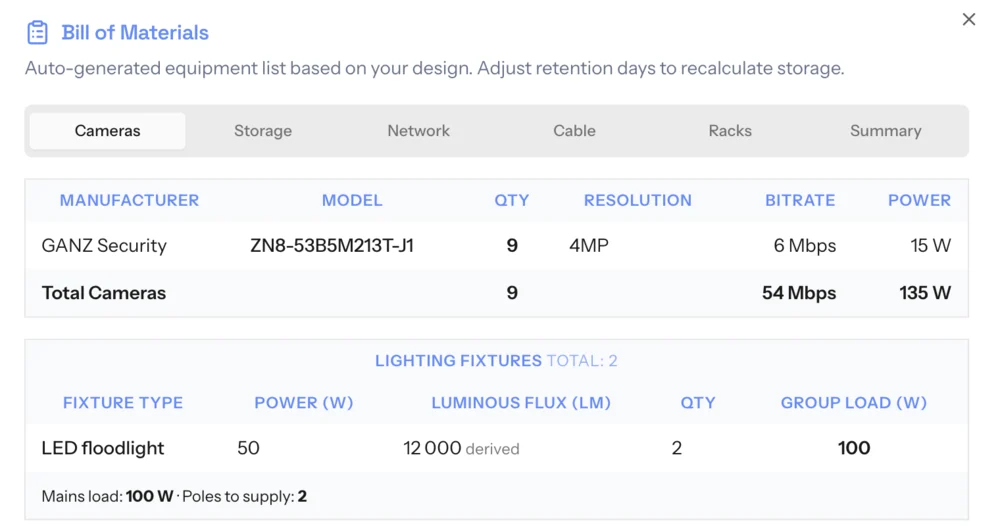
I once worked on a warehouse project where the client wanted coverage across a large loading bay. The first camera I considered had a great datasheet, but when I dug into its test reports, I found it had been tested under different conditions. I switched to a camera that had been tested under EN 62676-4. The difference was clear during the site survey: the field of view matched the specification, and the night vision worked as expected. That saved a costly reinstallation.
Key Parameters Defined by the Standard
- Resolution and frame rate under different lighting conditions
- Dynamic range and low-light sensitivity
- Motion detection accuracy and false alarm rates
- Compression efficiency for H.265 and other codecs
- Environmental ratings like weatherproof housing durability
Each of these parameters has a defined test procedure. That means when a camera claims to support H.265 compression, the standard verifies how much bandwidth it actually saves compared to H.264. For a system designer, that is gold. It lets me size the recorder and the PoE switch accurately, without overspending on storage or network capacity.
Integration with Recorders and Management Systems
A camera is only as good as the recorder and video management system it feeds into. The standard also covers how a digital video recorder or network video recorder should handle video streams from different sources. It defines minimum recording performance, playback quality, and the ability to support multiple simultaneous streams. This is especially important when you are mixing IP cameras with HD-TVI or analogue cameras on the same system.
One thing I have learned is that compatibility is not just about connectors. Two devices might both use ONVIF, but if one has not been tested under the same standard, you can run into issues with motion detection events not triggering recordings, or the video management system failing to display the correct field of view. The standard helps prevent those integration headaches by setting a common baseline for how devices communicate and perform.

Practical Considerations for Installation
When I plan a system, I always consider the cabling. The standard does not directly dictate cable types, but it does influence them. For example, if you are using analogue cameras, you will likely run coaxial cable. For IP cameras, ethernet cable is standard, often with PoE switches to simplify power. The standard ensures that the camera's power consumption and network requirements are measured consistently, so you can choose the right PoE switch and cable length without guessing.
Weatherproof housing is another area where the standard adds value. A camera mounted outdoors needs to withstand rain, dust, and temperature changes. The standard includes tests for ingress protection and temperature range. I once specified a camera with an IP66-rated housing that had been tested under EN 62676-4. It survived a harsh winter with no issues. A cheaper alternative that lacked that testing failed within six months.
Site Surveys and the Role of the Standard
A proper site survey is the foundation of any CCTV design. You need to measure distances, identify blind spots, and understand lighting conditions. The standard does not replace the site survey, but it makes the results more reliable. When I return from a survey and calculate the required lens size and field of view, I can match those numbers against camera specifications that were measured the same way. That reduces the chance of ordering the wrong equipment.
For example, if a client needs to read a license plate at 20 meters, I can use the standard's resolution and lens tests to pick a camera that will actually deliver that detail. Without the standard, I would have to trust the manufacturer's word, which is not always accurate. I have seen too many systems where the promised night vision range was half of what was actually achievable.
Final Thoughts on Using the Standard
The EN 62676-4 standard CCTV is not a marketing tool. It is a practical framework that makes system design more predictable and less reliant on guesswork. Whether you are specifying an IP camera, a digital video recorder, or a complete video management system, checking for compliance with this standard saves time and money. It also gives your clients confidence that the system will perform as designed.
If you are new to CCTV planning, start by familiarising yourself with the key tests defined by IEC 62676-4. Use them as a checklist when evaluating equipment. And remember that no standard can replace a thorough site survey and thoughtful design. But when you combine good design with tested hardware, you get a system that actually works in the real world.